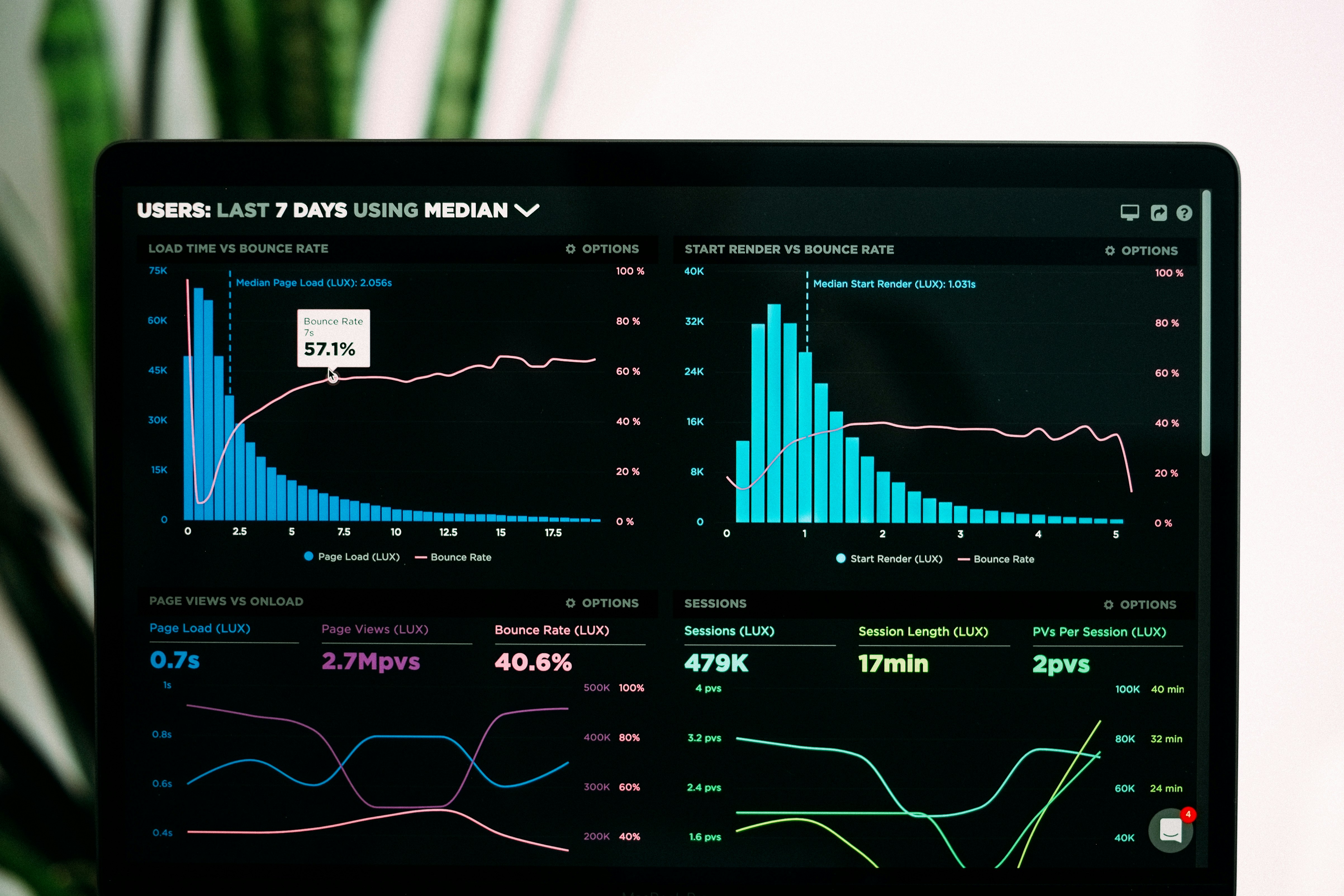
In today’s fast-paced business world, financial performance management is essential for organizations seeking growth and stability. As decision-making becomes more complex and competitive, mastering this discipline gives leaders a critical edge.
This guide offers a practical, step-by-step approach to financial performance management, providing the tools and insights needed for sustainable success. Readers will uncover the fundamentals, explore current trends and technologies, identify key performance indicators, and learn best practices for 2026.
Are you ready to optimize resources, mitigate risks, and drive measurable improvements? Follow this guide to transform your organization’s financial future.
Understanding Financial Performance Management
What is Financial Performance Management?
Financial performance management is a holistic approach focused on measuring, monitoring, and optimizing an organization’s financial outcomes. Unlike traditional financial management, which often centers on bookkeeping and compliance, financial performance management integrates strategic planning with day-to-day operations.
This approach ensures financial goals are closely aligned with the broader business strategy, fostering agility and resilience. Organizations of all sizes, from startups to global enterprises, use financial performance management to drive informed decision-making and sustainable growth.
For example, leading firms leverage financial performance management to support disciplined growth, technology adoption, and improved risk management. Insights from the Financial Executives Priorities 2026 Report highlight how finance leaders are prioritizing these strategies for future resilience.
Key Components of FPM
Effective financial performance management relies on several interconnected components:
- Goal Setting and Strategic Alignment: Establish clear financial targets that support organizational vision.
- Budgeting and Forecasting: Develop robust processes for planning and adapting to market changes.
- Financial Reporting and Analysis: Produce timely, accurate reports to evaluate performance.
- Variance Analysis and KPI Monitoring: Track key performance indicators and analyze deviations from targets.
- Risk Management and Compliance Integration: Identify financial risks and ensure compliance with regulations.
Each component strengthens the organization’s ability to adapt, optimize resources, and achieve strategic objectives through financial performance management.
Financial Performance Management vs. Enterprise Performance Management
While both financial performance management and enterprise performance management (EPM) aim to enhance organizational success, they differ in scope and focus.
| Aspect | Financial Performance Management (FPM) | Enterprise Performance Management (EPM) |
|---|---|---|
| Main Focus | Financial health, liquidity, profitability | Organization-wide performance, including operations, HR, sales |
| Core Activities | Budgeting, reporting, KPI monitoring | Strategic planning, operational analysis, cross-functional alignment |
| Applicability | All industries, finance-centric | Broader, multi-departmental scope |
| Example | Mid-size firm focusing on cash flow | Company aligning HR, sales, and finance strategies |
Organizations often prioritize financial performance management when financial health or liquidity is critical, while EPM is best when a holistic view across all business units is needed. A mid-size firm, for instance, may shift focus to financial performance management during periods of rapid growth or market volatility.
The Evolving Role of Finance Teams
The finance function is transforming from a transactional support role to a strategic business partner. Finance teams are increasingly leveraging data analytics and advanced technology to provide actionable insights.
Collaboration across departments is now essential, as financial performance management requires input from operations, sales, and HR. Finance professionals are at the forefront of digital transformation, helping organizations adapt to change and drive innovation.
For example, finance teams now play a pivotal role in digital initiatives, supporting strategic decisions and ensuring financial performance management remains agile and data-driven.
Essential Financial Performance Indicators for 2026
Navigating the complexities of financial performance management in 2026 requires a clear understanding of the right metrics. Selecting and tracking the most relevant indicators gives organizations the insight they need to drive strategic decisions, optimize resources, and stay competitive in evolving markets.
Core Financial KPIs
Core financial KPIs form the backbone of financial performance management. These metrics provide a snapshot of a company’s health and help leaders assess profitability and growth. Key indicators include revenue growth rate, gross profit margin, operating margin, and net profit margin. Return on investment (ROI), return on assets (ROA), and return on equity (ROE) are also vital for evaluating efficiency and value creation.
For example, ROI is often used to measure the success of new product launches or major capital investments. As FP&A Trends to Watch in 2026 highlights, modern finance teams are leveraging these KPIs for more dynamic and data-driven financial performance management.
Liquidity and Solvency Metrics
Liquidity and solvency metrics ensure organizations can meet short and long-term obligations, a critical factor in financial performance management. Common liquidity indicators include the working capital ratio and quick ratio, both of which measure a company’s ability to cover immediate liabilities. The debt-to-equity ratio evaluates leverage, while the cash conversion cycle tracks how efficiently a business turns investments into cash flow.
Consider a manufacturing firm that improved its liquidity metrics to successfully navigate an economic downturn. By closely monitoring these metrics, leaders can proactively address risks and maintain stability within financial performance management.
Operational Efficiency Indicators
Operational efficiency indicators are essential for optimizing processes and maximizing profitability in financial performance management. Metrics such as inventory turnover and accounts receivable turnover reveal how effectively resources are managed. Cash flow from operations serves as a barometer of financial health, while EBITDA and EBIT highlight earnings power before non-operating costs.
Retailers, for instance, frequently use inventory turnover to identify slow-moving stock and adjust purchasing strategies, resulting in higher margins. Monitoring these indicators enables continuous improvement and supports agile financial performance management.
Market and Shareholder Value Metrics
Market and shareholder value metrics reflect how well a company is delivering value to investors, a key aspect of financial performance management. Market capitalization and the price-to-earnings (P/E) ratio are widely used for valuation and benchmarking. Dividend yield measures shareholder returns, while comparing key ratios against industry standards provides context for performance.
For example, organizations may assess their P/E ratio relative to competitors to gauge market confidence and identify areas for growth. By focusing on these metrics, businesses can align financial performance management with shareholder expectations and long-term value creation.
The Financial Performance Management Process: Step-by-Step Framework
Mastering financial performance management requires a structured, disciplined approach. A clear, step-by-step framework helps organizations align their financial strategies with broader business objectives and drive measurable improvements. Let us walk through each critical phase, illustrating how to turn theory into powerful results.
Step 1: Setting Financial Goals and Strategic Alignment
Effective financial performance management starts with precise goal setting. Organizations must define SMART goals—Specific, Measurable, Achievable, Relevant, and Time-bound—to ensure clarity and accountability.
Aligning financial objectives with the overall business strategy is crucial. This ensures every department, from operations to sales, works toward common targets. Cascading these goals throughout the organization turns strategy into actionable steps.
For example, a technology company might tie R&D investments directly to innovation and revenue growth targets. This alignment ensures resources are allocated to projects that move the business forward.
By embedding financial performance management into the goal-setting process, leaders foster greater transparency and accountability at every level.
Step 2: Budgeting and Forecasting
Budgeting and forecasting are the operational backbone of financial performance management. Annual budgets provide a roadmap, while rolling forecasts enable adaptability in a changing market.
Scenario-based forecasting, which uses both historical data and predictive analytics, allows organizations to anticipate multiple outcomes. Involving cross-departmental teams improves accuracy and buy-in.
Consider a retail chain using rolling forecasts to quickly adjust inventory and staffing in response to seasonal trends. This collaborative approach ensures budgets remain relevant and actionable.
By integrating financial performance management into budgeting, companies become more agile and better equipped to respond to disruptions.
Step 3: Financial Reporting and Analysis
Timely, accurate reporting is central to financial performance management. Financial statements, dashboards, and visualization tools provide real-time insights for decision-makers.
Modern organizations leverage automation and integration to streamline reporting, reducing manual errors and accelerating close cycles. Ensuring compliance with standards like IFRS and GAAP builds trust with stakeholders.
Explore core use cases for enterprises to see how reporting and analysis drive actionable insights across industries. For instance, a SaaS firm automating its reporting process can quickly identify revenue trends and optimize spending.
Embedding financial performance management into reporting processes transforms raw data into strategic intelligence.
Step 4: Variance Analysis and KPI Monitoring
Variance analysis is a cornerstone of financial performance management. By comparing actual results to budgets and forecasts, teams can spot deviations early.
Root cause analysis identifies why variances occur, enabling organizations to take corrective action swiftly. Real-time KPI monitoring, supported by dashboards, empowers agile decision-making.
A manufacturing firm, for example, may use variance analysis to uncover unexpected cost overruns in its production line. With this insight, leaders can adjust processes or renegotiate supplier contracts.
Consistent variance analysis ensures financial performance management remains proactive rather than reactive.
Step 5: Risk Assessment and Mitigation
Identifying and mitigating risk is fundamental to effective financial performance management. Organizations must assess market, credit, and operational risks regularly.
Developing robust policies and controls helps minimize vulnerabilities. Integrating risk management into daily operations ensures risks are monitored continuously, not just during annual reviews.
A financial services firm, for example, might implement advanced credit risk modeling to minimize exposure to defaults. This proactive approach safeguards financial health and investor confidence.
By embedding financial performance management into risk assessment, companies build resilience against uncertainty.
Step 6: Continuous Improvement and Performance Optimization
Financial performance management is not a one-time exercise—it is a continuous journey. Feedback loops and regular reviews allow organizations to learn from past performance and refine their strategies.
Leveraging insights from previous cycles informs future planning and promotes a culture of accountability. Quarterly reviews, for instance, can highlight emerging trends and areas for cost savings.
Encouraging transparency and open communication ensures every team member understands their impact on financial outcomes. This ongoing commitment to improvement is what separates industry leaders from the rest.
Continuous optimization keeps financial performance management dynamic, relevant, and impactful.
Technology and Tools Powering FPM in 2026
Staying ahead in financial performance management requires leveraging the latest technology and tools. In 2026, organizations are adopting integrated solutions, advanced analytics, and secure platforms to drive results. Each innovation supports a more agile, data-driven, and resilient finance function.
Financial Performance Management Software Solutions
Modern financial performance management software is the backbone of efficient finance operations. Platforms like Planful and CCH Tagetik offer automation, real-time analytics, and seamless integration with existing business systems. These solutions streamline budgeting, forecasting, and reporting, allowing finance teams to focus on strategic tasks.
A key benefit is scalability, with cloud-based options supporting organizations as they grow. On-premises deployments may offer more control, but cloud platforms often provide faster updates and easier collaboration. For example, a mid-market company implementing FPM software can adapt quickly to changing business needs and regulatory requirements.
The Rise of AI and Machine Learning in FPM
Artificial intelligence is transforming financial performance management by automating complex processes and generating actionable insights. AI-driven tools support predictive analytics, anomaly detection, and scenario planning, reducing manual effort and improving accuracy.
Machine learning algorithms analyze historical and real-time data for more reliable forecasts. They also flag potential risks before they escalate. Organizations using AI in FPM can optimize budgeting, identify trends, and enhance decision-making. For instance, real-time risk alerts help finance teams react swiftly to market changes.
Data Integration and Real-Time Reporting
Unified data is essential for effective financial performance management. Integrating ERP, CRM, and FPM platforms creates a single source of truth, reducing errors and increasing efficiency. High-quality data supports accurate analysis, while robust governance ensures compliance and security.
Real-time reporting dashboards give decision-makers instant access to key metrics. These tools enable quick responses to emerging opportunities or threats. Enterprises that prioritize integration and real-time reporting gain a competitive edge through faster, more informed decisions.
Enhancing Collaboration and Communication
Effective financial performance management relies on cross-functional collaboration. Advanced tools connect finance, sales, HR, and other departments, breaking down silos and improving transparency. Workflow automation speeds up approvals and feedback cycles, making processes more efficient.
Mobile and remote access capabilities are vital for distributed teams. Collaboration platforms enable finance teams to coordinate on budgets and forecasts, even across time zones. As a result, organizations achieve faster budget cycles and more aligned financial outcomes.
Cybersecurity and Compliance Considerations
Protecting sensitive data is fundamental to financial performance management. Organizations must ensure data confidentiality, integrity, and availability in all FPM systems. Meeting regulatory requirements such as SOX, GDPR, or HIPAA is non-negotiable, as non-compliance can result in significant penalties.
Disaster recovery and business continuity plans are essential for minimizing risks. For a deeper look at how companies are strengthening their data security and compliance posture, see Data security and compliance updates. In 2026, organizations that proactively manage cybersecurity and compliance build trust and resilience into every layer of their financial performance management framework.
Best Practices for Financial Performance Management in 2026
To stay ahead in a dynamic business environment, organizations must embrace best practices in financial performance management. These strategies help companies build resilience, foster innovation, and ensure long-term success.
Building an Agile and Data-Driven Finance Function
Agility is at the heart of effective financial performance management in 2026. Finance teams are shifting toward continuous planning and rolling forecasts, allowing organizations to adapt quickly to market shifts. Encouraging experimentation, scenario analysis, and rapid iteration supports proactive decision-making.
Investing in upskilling finance professionals in analytics is essential. By leveraging insights from sources such as the Deloitte Finance Trends 2026 Survey, companies can identify emerging trends and adopt practices that drive value. Agile finance sprints and cross-functional data sharing further boost responsiveness.
Aligning FPM with Organizational Culture and Strategy
Successful financial performance management depends on alignment with both culture and strategy. Leadership buy-in is critical for embedding FPM into daily decision-making processes.
Clear communication of goals ensures everyone understands their role. Incentivizing performance based on aligned metrics creates a sense of ownership and accountability. For example, linking executive compensation to FPM outcomes can motivate teams to prioritize strategic objectives.
Embedding FPM into the organization's DNA leads to more consistent results and a culture focused on measurable achievements.
Leveraging Benchmarking and External Data
Benchmarking is a powerful tool in financial performance management. Comparing performance against industry peers gives context to internal metrics and highlights areas for improvement.
Utilizing external economic and market data helps organizations identify trends and adapt strategies accordingly. This approach allows businesses to spot gaps and opportunities they might otherwise miss.
A simple benchmarking process includes:
- Gathering industry data
- Comparing key financial metrics
- Setting improvement targets
Regular benchmarking ensures FPM remains relevant and competitive.
Fostering Collaboration Across Departments
Effective financial performance management is not confined to the finance team. Breaking down silos and encouraging cross-departmental collaboration leads to better outcomes.
Joint ownership of goals and regular reviews promote transparency and shared accountability. Leveraging insights from articles like Overcoming team misalignment challenges can help organizations transform misalignment into a competitive advantage.
Workshops and collaborative initiatives drive innovation and cost-saving, making FPM truly organization-wide.
Adapting to Regulatory and Market Changes
Keeping pace with evolving regulations and market dynamics is a core aspect of financial performance management. Organizations must stay informed about new accounting standards, geopolitical shifts, and emerging risks.
Flexibility in processes allows for rapid response to changes, ensuring compliance and minimizing disruption. Monitoring global developments and updating FPM frameworks accordingly keeps businesses prepared for the unexpected.
Proactive adaptation positions companies to capitalize on new opportunities and navigate challenges with confidence.
Overcoming Common Challenges in Financial Performance Management
Navigating the complexities of financial performance management requires organizations to address several persistent challenges. These obstacles can hinder progress, reduce efficiency, and impact the reliability of insights. By proactively tackling these issues, finance teams can unlock the full potential of financial performance management.
Data Silos and Integration Issues
One of the most common hurdles in financial performance management is the presence of data silos. When financial data is stored across disconnected systems, it becomes difficult to gain a unified view. This fragmentation can lead to inconsistent reporting and missed opportunities for optimization.
To overcome this, organizations should invest in robust data integration solutions. Centralizing financial data enhances transparency and supports real-time decision-making. For example, a global enterprise unified its reporting processes by integrating ERP and FPM platforms, resulting in streamlined operations and improved accuracy. Emphasizing data harmonization allows finance teams to leverage the full power of financial performance management.
Resistance to Change and Cultural Barriers
Implementing new financial performance management practices often meets resistance from staff accustomed to established routines. Change fatigue and skepticism can slow adoption, especially when technology modernization is involved.
Effective change management strategies are essential. Clear communication about the benefits, hands-on training, and leadership support foster a culture of adaptability. Companies have found success with organization-wide training initiatives for new FPM tools, making transitions smoother. For deeper insights on navigating transformation, the 2026 CFO Playbook: Trends in Private Equity highlights how CFOs are driving data-driven value creation through modernization.
Ensuring Data Quality and Accuracy
Reliable financial performance management depends on high-quality, accurate data. Errors or inconsistencies can lead to flawed analysis and misguided decisions. Establishing data governance frameworks is a critical step in maintaining integrity.
Regular audits, automated validation checks, and clear ownership of data sources help reduce errors. For instance, a financial services firm reduced reporting mistakes by automating data quality checks. These measures ensure that financial performance management outputs remain trustworthy and actionable, empowering leaders to make informed choices.
Keeping Pace with Technology and Regulatory Changes
The landscape of financial performance management is constantly evolving, with new technologies and regulations emerging rapidly. Staying current requires ongoing education and collaboration with technology partners.
Finance teams should prioritize continuous professional development and leverage vendor support for regulatory updates. Organizations that adapt quickly can maintain compliance and benefit from the latest advancements. Exploring the impact of technology, such as AI in team management, can provide additional context on how automation is shaping financial performance management.
As we've explored, mastering financial performance management is essential to navigating the complexities of 2026, from leveraging AI-driven insights to building agile, high-performing teams. If you’re ready to see how these strategies can work for your organization and want to unlock the full potential of your finance function, why not take the next step? You can experience firsthand how Hatchproof’s tailored solutions identify top performers, reduce risk, and drive real business outcomes. Let’s build a future-ready finance team together—Book A Demo and discover what’s possible for your organization.